Health and Safety Policy for Business Waste Removal Golders Green
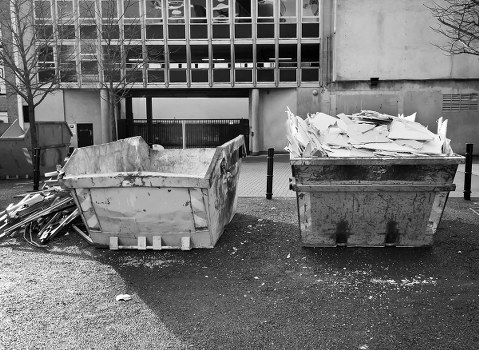 This Health and Safety Policy sets out the commitments and procedural controls adopted by our business waste removal service operating in the Golders Green area. It has been prepared to ensure compliance with statutory health and safety obligations for commercial refuse contractors, to protect employees, contractors, clients and the public, and to minimise environmental risk. The policy outlines roles and responsibilities, risk management, and operational standards for a rubbish collection and commercial waste removal organisation, and will be reviewed periodically to reflect legislative change and operational learning.
Our objective is to deliver safe, lawful and reliable business waste removal operations with clear governance. Managers are responsible for ensuring that staff receive adequate instruction, training and supervision. Employees must follow documented safe systems of work, wear required personal protective equipment (PPE), and report incidents or hazards promptly. Contractors and third-party suppliers engaged for skip hire, hazardous waste transport, or bulky waste collection are required to demonstrate equivalent health and safety standards before appointment.
 Risk assessment is the foundation of our safety approach. We carry out site-specific and task-specific assessments for depot activities, on-site collections, waste handling, manual lifting, vehicle loading, and transfer station operations. Assessments identify hazards such as sharps and biohazardous items, manual handling risks, traffic and loading dangers, and risks associated with hazardous substances. Identified controls include segregation of waste streams, mechanical aids, safe lifting training, traffic management plans and robust procedures for handling hazardous items.
Operational Controls and Safe Working Practices
Operational controls apply to all stages of waste collection and disposal. Vehicles used for rubbish removal and commercial collections are maintained under a documented servicing programme and subject to vehicle safety checks before each shift. Drivers and collectors receive induction training covering vehicle safety, secure load practices, confined spaces awareness when accessing containers, and communication protocols for high-risk collections. Safe systems of work are documented and are mandatory for work on customer premises, in confined sites and when handling sharps or potentially hazardous materials.
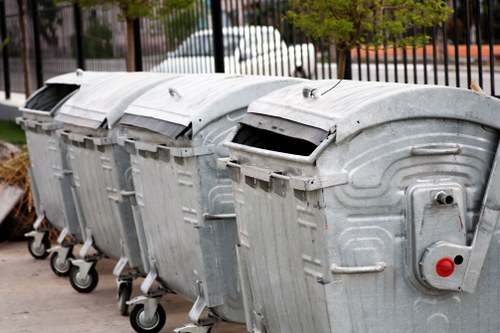 PPE requirements include high-visibility clothing, gloves appropriate to the waste type, protective footwear, and respiratory protection where dust or aerosols may be encountered. Employees must wear PPE when instructed and replace damaged items promptly. A medical and fitness-to-work policy supports roles that require manual handling and vehicle operation. Vaccination and health surveillance recommendations are provided where staff may be exposed to biological hazards.
Segregation of waste at source and during transport is enforced to reduce cross-contamination and simplify recycling. Chemical and hazardous wastes are managed in accordance with hazardous waste regulations, labelled and transported in secure containers, with manifest records retained. We employ waste transfer notes and duty-of-care documentation for all non-household waste movements to ensure traceability and legal compliance.
Incident Reporting, Monitoring and Emergency Response
All incidents, near misses and non-conformances must be reported immediately through the designated internal reporting system. Incidents are investigated to identify root causes and to implement corrective actions. Records of incidents, investigations and remedial measures are maintained to support continuous improvement and legal compliance. Periodic audits and inspections of operations, vehicles and depots are conducted to verify compliance and to identify opportunities to reduce risk.
 The emergency response plan covers spill response, exposure to hazardous substances, vehicle collisions and fire. Emergency contacts, site-specific evacuation procedures and first-aid arrangements are documented and accessible to staff. Training in emergency procedures is part of induction and refreshed at regular intervals. Spill kits and first-aid supplies are available at depots and on vehicles used for rubbish removal and commercial service deliveries.
 Training and competence are central to maintaining safety standards. Employees complete role-specific training modules, including manual handling, hazardous materials awareness, safe vehicle operation and customer site safety protocols. Competence assessments are recorded and form part of performance reviews. This policy applies to all employees and contractors engaged in commercial waste collection, rubbish removal services and related operations, and will be reviewed annually or following a significant incident or regulatory change.
Policy adoption: This document represents the formal health and safety policy for our commercial waste operations servicing the Golders Green area. Senior management endorses and supports its implementation and the allocation of resources necessary to maintain compliance. The policy emphasises continuous improvement, legal adherence, and the safety of staff, clients and the public while delivering efficient waste removal and rubbish disposal services.
Review schedule: The policy will be reviewed at least once every twelve months and following any significant operational change, incident, or update to relevant legislation. Amendments will be recorded and communicated to staff, contractors and stakeholders as appropriate. Employees are encouraged to raise safety concerns so that controls can be improved and the safety culture strengthened.
By adhering to the principles set out in this policy, the organisation commits to sustained safe performance in waste management, recycling and disposal activities, ensuring that commercial waste services are delivered with responsible risk management, compliance and professional standards.
